Understanding the Conversion from Inches to Centimeters: A Detailed Guide

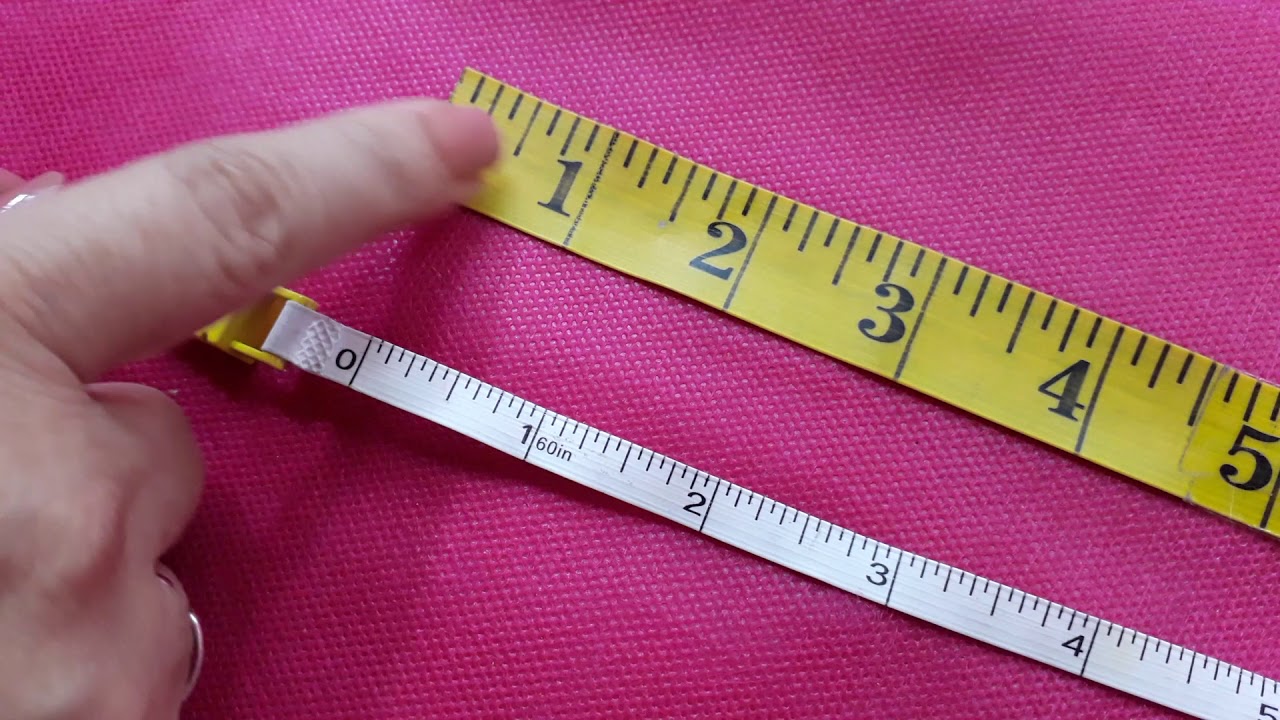
When dealing with measurements, especially in a world that often switches between metric and imperial systems, knowing how to convert “pulgadas a cm” (inches to centimeters) becomes essential. Whether you’re a student, a professional, or just someone trying to follow a recipe or a DIY project, this guide will help you master this conversion with ease.

Key Takeaways

  • The conversion factor from inches to centimeters is 2.54.
  • Understanding this conversion is crucial for various applications in science, engineering, and everyday life.
  • Practical examples and tips can make this conversion process easier and more intuitive.

pulgadas a cm

The Importance of Converting Inches to Centimeters

The need to convert inches to centimeters arises in numerous contexts, from academic research to daily tasks. The inch, a unit of measurement in the imperial system, is commonly used in the United States, while the centimeter, part of the metric system, is used worldwide. Understanding how to convert between these units is crucial for ensuring accuracy and consistency in measurements.

Why Use the Metric System?

The metric system is widely used because of its simplicity and ease of conversion. Unlike the imperial system, which uses different conversion factors for different units, the metric system is based on powers of ten, making it more straightforward to use. This is why many scientific disciplines and international industries prefer the metric system.

How to Convert Inches to Centimeters

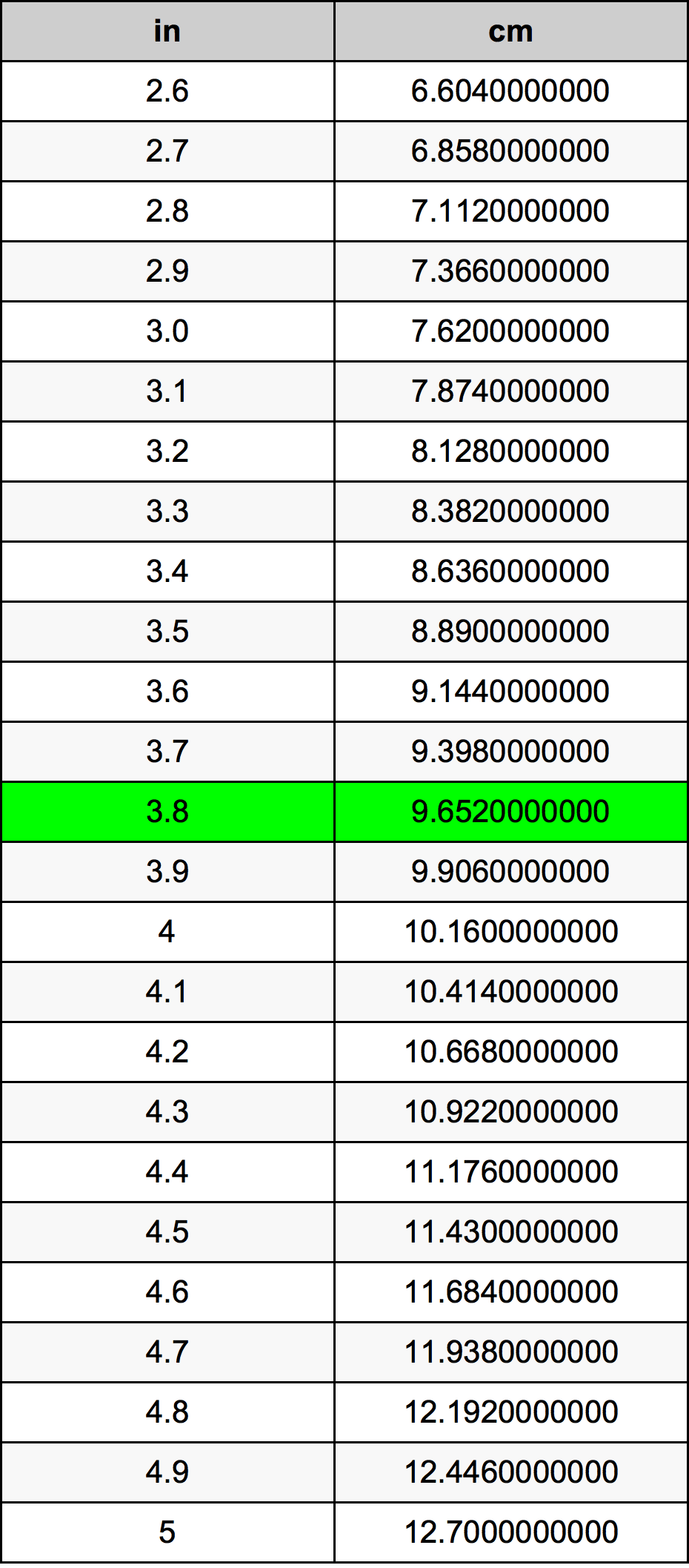
Converting inches to centimeters is a straightforward process once you understand the fundamental conversion factor. The key to this conversion is knowing that one inch equals 2.54 centimeters. This conversion factor is universally accepted and used in various fields, from engineering to fashion design.

Step-by-Step Conversion Process

pulgadas a cm

  1. Identify the measurement in inches that you need to convert.
  2. Multiply the number of inches by 2.54 to get the measurement in centimeters.
  3. Round the result to the desired decimal place if necessary.

For example, to convert 10 inches to centimeters, multiply 10 by 2.54, which equals 25.4 cm.

Practical Applications of Inches to Centimeters Conversion

This conversion is not just an academic exercise; it has real-world applications that can make life easier. Here are some scenarios where converting inches to centimeters is beneficial:

1. Home Improvement and DIY Projects

When undertaking home improvement projects, measurements are crucial. Whether you’re building furniture or hanging curtains, knowing how to convert measurements ensures that everything fits perfectly.

pulgadas a cm

2. Fashion and Tailoring

In the fashion industry, accurate measurements are vital for creating garments that fit well. Designers and tailors often need to convert measurements to ensure precision in their work.

3. Academic and Scientific Research

In research, especially in fields like physics and engineering, measurements are often recorded in different units. Converting between inches and centimeters ensures data consistency and accuracy.

pulgadas a cm

Tips for Easy Conversion

While the conversion process is simple, these tips can make it even easier:

  • Use Conversion Tools: Many online calculators and smartphone apps can quickly convert inches to centimeters.
  • Memorize Key Conversions: Memorizing common conversions, like 12 inches to 30.48 cm, can save time in frequently encountered situations.
  • Practice Mental Math: With some practice, you can perform these conversions mentally, which is a handy skill in many scenarios.

Frequently Asked Questions

What is the formula for converting inches to centimeters?

The formula is simple: multiply the number of inches by 2.54 to get the measurement in centimeters.

Why is the conversion factor 2.54?

The conversion factor of 2.54 is derived from the definition of an inch in the metric system. One inch is defined as exactly 2.54 centimeters.

Can I convert centimeters back to inches?

Yes, to convert centimeters back to inches, divide the number of centimeters by 2.54.

Understanding and mastering the conversion from “pulgadas a cm” is an invaluable skill in a world where both metric and imperial systems are in use. Whether for professional purposes or personal projects, knowing how to convert inches to centimeters ensures accuracy and efficiency. By following the steps and tips outlined in this guide, you can confidently navigate between these two units of measurement, making your tasks more manageable and precise.

Remember, practice makes perfect. The more you apply these conversions in real-life situations, the more intuitive they will become. So, next time you encounter a measurement in inches, you’ll know exactly how to convert it to centimeters without a hitch.

Mastering the Art of Saying “Thank You” in Japanese: A Complete Guide

Expressing gratitude is a universal gesture that transcends cultural boundaries. However, the way we convey “thank you” can vary significantly from one language to another. In Japanese, expressing thanks is not just about words; it’s about understanding the nuances, context, and cultural significance. Whether you’re planning a trip to Japan, learning the language, or simply curious, mastering how to say “thank you” in Japanese can enhance your communication and appreciation of the culture.

Key Takeaways

  • Learn the most common ways to say “thank you” in Japanese, including “arigatou” and “arigatou gozaimasu.”
  • Understand the cultural importance of expressing gratitude in Japan.
  • Discover variations and context-specific expressions for saying “thank you.”
  • Gain insights into the non-verbal aspects of showing appreciation in Japanese culture.

Understanding the Basics: Common Ways to Say “Thank You” in Japanese

In Japanese, the phrase “thank you” can be expressed in several ways, each carrying its own level of formality and nuance. Here are the most commonly used expressions:

1. Arigatou (ありがとう)

“Arigatou” is the informal way to say “thank you” in Japanese. It’s perfect for casual interactions with friends, family, or peers. This expression is widely used and understood across Japan, making it a staple in everyday conversations.

2. Arigatou Gozaimasu (ありがとうございます)

For a more formal expression of gratitude, “arigatou gozaimasu” is appropriate. This phrase is commonly used in professional settings, with strangers, or when you wish to show a higher level of respect. It’s a versatile phrase that can be used in various situations, ensuring politeness and appreciation.

3. Doumo Arigatou Gozaimasu (どうもありがとうございます)

To express a deeper sense of gratitude, you can use “doumo arigatou gozaimasu.” The addition of “doumo” emphasizes the depth of your thanks, making it suitable for situations where you feel particularly grateful or indebted.

The Cultural Context: Why Gratitude Matters in Japan

In Japan, expressing gratitude is not merely a linguistic formality; it’s an integral part of the culture. The Japanese value harmony, respect, and politeness, and these values are reflected in their language. Saying “thank you” is seen as a way to acknowledge the efforts and kindness of others, reinforcing social bonds and mutual respect.

Moreover, the Japanese language is rich in expressions that convey gratitude, each tailored to different contexts and relationships. Understanding when and how to use these expressions can significantly enhance your interactions and demonstrate cultural sensitivity.

Beyond Words: Non-Verbal Ways to Show Gratitude

In addition to verbal expressions, non-verbal gestures play a crucial role in conveying gratitude in Japan. Here are some common gestures that accompany the act of saying “thank you”:

  • Bowing: Bowing is a fundamental aspect of Japanese etiquette. A slight bow can accompany a casual “arigatou,” while a deeper bow may be used with “arigatou gozaimasu” to show greater respect.
  • Smiling: A warm smile can enhance your expression of gratitude, making the interaction more genuine and friendly.
  • Gift Giving: In some situations, offering a small gift can be a thoughtful way to express thanks. This practice, known as “omiyage,” is common when visiting someone’s home or returning from a trip.

Contextual Variations: Tailoring Your Thanks

thank you in japanese

The Japanese language allows for various expressions of gratitude, depending on the context and relationship. Here are some additional expressions you might find useful:

1. Kansha Shimasu (感謝します)

“Kansha shimasu” is a more formal way to express gratitude, often used in written communication or speeches. It’s a polite and respectful way to say “I appreciate it.”

2. Sumimasen (すみません)

While “sumimasen” is typically used to apologize, it can also convey gratitude, especially when someone goes out of their way to help you. It’s akin to saying “thank you for your trouble” in English.

3. Osewa ni Narimashita (お世話になりました)

This phrase is used to express gratitude for someone’s care or assistance over a period of time. It’s often used when leaving a job, ending a homestay, or concluding a business relationship.

thank you in japanese

Practical Tips for Using “Thank You” in Japanese

When expressing gratitude in Japanese, consider the following tips to ensure your thanks are well-received:

  • Match the Level of Formality: Choose the appropriate level of formality based on your relationship with the person and the context of the interaction.
  • Use Non-Verbal Cues: Complement your words with a bow or smile to convey sincerity.
  • Be Mindful of Cultural Nuances: Understanding the cultural significance of gratitude can enhance your interactions and show respect for Japanese customs.

thank you in japanese

The Power of Gratitude in Japanese Culture

Learning how to say “thank you” in Japanese is more than just acquiring a new phrase; it’s about embracing a cultural practice that values respect, harmony, and appreciation. By understanding the nuances of expressing gratitude in Japanese, you can navigate social interactions more effectively and show genuine respect for the culture. Whether you’re a language learner, a traveler, or someone interested in cultural exchange, mastering these expressions will undoubtedly enrich your experience and connections.